
Human Interest
Progressive enhancement has proven to be such a great strategy for the technical side of the web that I think we should take a similar approach for its personal side as well. Just as we assume... read more
Progressive enhancement has proven to be such a great strategy for the technical side of the web that I think we should take a similar approach for its personal side as well. Just as we assume... read more

The concept of permanently placing content on a web page for a single browsing width or resolution is becoming a thing of the past. Media-queried responsive & adaptive sites afford us the ability to re-architect content... read more

Page speed and load times are the foundation for a positive user experience on the web. Let’s face it, if your page fails to load in time, all the effort put towards information architecture, content strategy... read more

Browsing Habits Part of user-experience design is considering how elements on a web page compete for attention. We spend so much time prioritizing the prominence of items within a page while making little consideration for what... read more
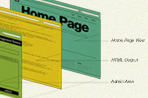
The CMS Cycle So, an organization spends tens of thousands of dollars to build a website upon a full-access Content Management System (CMS) platform. Over the coming months every department head is issued an administrative login,... read more
